
Skin Lesion Treatment in Cape Town: What You Need to Know Before You Book
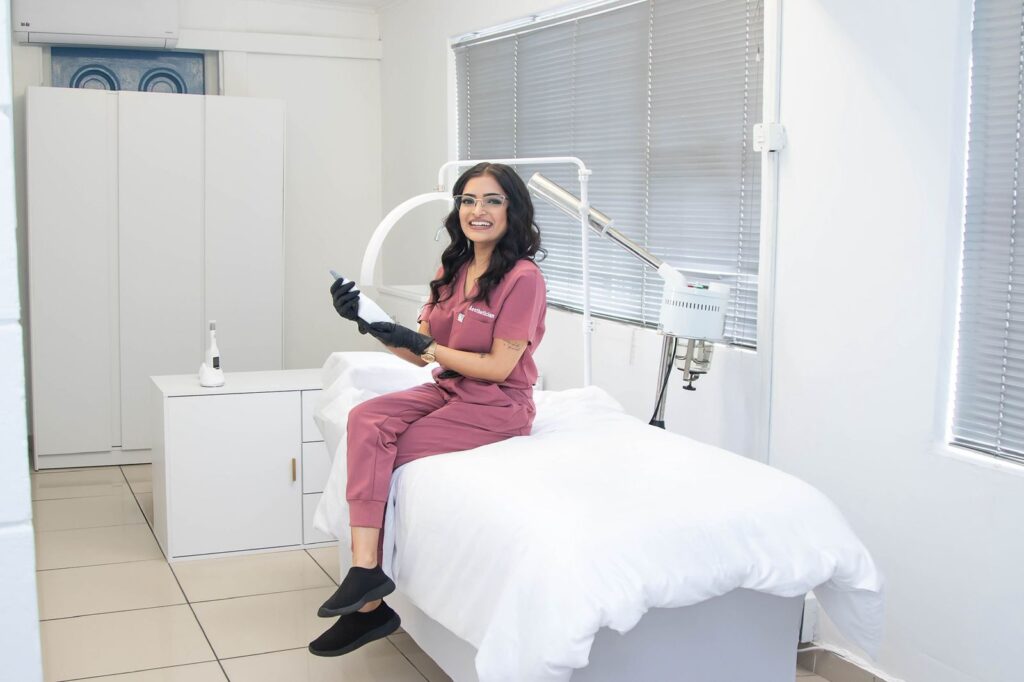
If you’ve been Googling “skin lesion removal Cape Town,” “mole removal Western Cape,” or “how to treat skin tags Cape Town,” you’ve landed in exactly the right place. At Shiroy Aesthetics, we believe that understanding your skin and the treatments available to it, is the first and most important step toward real, lasting results. So before you book, before you invest, and before you sit in our chair, let us walk you through everything you need to know about skin lesion treatment.
Let’s start with the basics. Not all skin irregularities are created equal. What your neighbour calls a “mole” and what your colleague calls a “sun spot” may require entirely different approaches. Here in Cape Town and across the Western Cape, we live under some of the most intense UV radiation in the world. Table Mountain may be breathtaking, but our relationship with the South African sun is complicated and our skin bears the evidence of it.
What Exactly Is a Skin Lesion?
The term “skin lesion” is a broad medical descriptor for any abnormal growth, mark, or area of skin that differs from the surrounding tissue. Before we go any further, it’s important to say this clearly: not all skin lesions are dangerous. In fact, the vast majority are entirely benign. But they can be cosmetically distressing, uncomfortable, or in some cases, worth having assessed by a professional.
Common skin lesions we treat at Shiroy Aesthetics include:
Seborrhoeic keratoses — These are the rough, waxy, “stuck-on” growths that tend to appear as we age. They’re harmless but incredibly common among South Africans over 40, and many clients come to us wanting them removed for cosmetic reasons. They’re often mistaken for warts or even melanoma, which is why a professional assessment is always the first step.
Dermatofibromas — Small, firm, brownish nodules that typically appear on the legs. They’re benign and often arise after a minor skin injury such as an insect bite. They’re rarely painful but can catch on clothing and become a nuisance.
Skin tags (acrochordons) — These small, soft, flesh-coloured growths are extremely common, particularly in areas where skin rubs against skin or clothing. The neck, underarms, eyelids, and groin are the most frequent locations. They are not dangerous, but clients in the Southern Suburbs and Atlantic Seaboard frequently ask us about removal simply because they find them aesthetically bothersome.
Moles (melanocytic naevi) — Perhaps the most discussed of all skin lesions, moles are clusters of pigmented skin cells. Most are harmless, but with South Africa’s UV index regularly sitting at 10 or above during Cape Town summers, it’s essential to have any changing, irregular, or new moles properly assessed.
Milium cysts — Tiny white cysts that form just under the skin’s surface, often around the eyes and nose. They occur when keratin becomes trapped beneath the skin and are particularly common in clients who use heavy skincare products.
Syringomas — Small benign growths originating from the sweat glands, usually clustered around the eyes. They’re harmless but visually distracting, and clients often feel self-conscious about them.
Xanthelasma — Yellowish fatty deposits that appear on or near the eyelids. These can sometimes be associated with elevated cholesterol levels, so we always recommend a chat with your GP alongside any cosmetic treatment.
Viral warts — Caused by the Human Papillomavirus (HPV), these rough-textured growths can appear anywhere on the body. Common warts, plantar warts, and flat warts all respond differently to treatment, which is why a one-size-fits-all approach simply doesn’t work.
Why Cape Town Skin Needs Special Attention
This deserves a real conversation, and not the generic one you’ll read on every global skincare blog. Living in Cape Town and the broader Western Cape presents a unique set of skin challenges that are deeply tied to our geography, our lifestyle, and our diverse skin tones.
The UV factor is real. Cape Town sits at approximately 34 degrees south, placing it firmly in the high-UV zone. For Capetonians who spend time outdoors hiking the Boulders, surfing in Kommetjie or cycling through the Winelands, cumulative UV damage is a genuine and ongoing concern. This exposure directly increases the risk of actinic keratoses (precancerous skin lesions), hyperpigmentation, and accelerated ageing.
Our skin diversity matters. The Western Cape is home to an extraordinarily diverse population with equally diverse skin tones across the full Fitzpatrick scale. Darker skin tones have greater melanin protection against UV damage, but are far more prone to post-inflammatory hyperpigmentation and hypertrophic scarring. This means that treatment method matters enormously, what works beautifully for a fair-skinned client in Sea Point may cause significant pigmentation issues for a deeper-toned client in Bellville if the wrong approach is used.
Wind and environmental stress. The Cape Doctor, our beloved (and occasionally maddening) South-Easter, strips moisture from the skin and increases sensitivity. Many clients from the Peninsula, Somerset West, and the surrounding areas present with compromised skin barriers, which can exacerbate inflammatory skin conditions and slow healing after treatment.
Skin Lesion Removal Cape Town:
At Shiroy Aesthetics, we use one carefully selected method for lesion removal called Spot Plasma technology for safe and precise skin lesion removal. This approach has been chosen for its safety, precision, and consistent results across a variety of lesion types, skin tones, and treatment areas. Here’s an honest overview of how this method works.
Spot Plasma (Hot Plasma / Plasma Fibroblast)
Spot Plasma is a non-invasive technology that works by generating a small, controlled arc of plasma energy. This is created when the natural gases in the air are ionised, forming a focused stream of energy that targets only the area being treated—without the device needing to directly touch the skin.
How the Removal Process Works?
During treatment, the plasma arc is applied in a precise, dot-by-dot technique over the lesion. This controlled energy creates a micro-reaction in the skin, where the unwanted tissue is sublimated—meaning it is converted from a solid directly into gas.
This allows for accurate removal of the lesion while preserving the surrounding healthy skin.
What About Suspicious Lesions? When to See a Dermatologist First
We need to say this clearly, because it matters: not all skin lesions should be removed cosmetically without a prior dermatological assessment. At Shiroy Aesthetics, your safety is always the priority.
If you notice any of the following, please see a dermatologist or your GP before booking a cosmetic lesion removal treatment:
- A mole or lesion that is changing in size, shape, or colour
- A lesion that bleeds spontaneously or doesn’t heal
- A new lesion that appears after the age of 40 without a clear cause
- Any lesion that is asymmetrical, has an irregular border, or contains multiple colours (the classic ABCDE rule: Asymmetry, Border, Colour, Diameter, Evolving)
South Africa has one of the highest rates of melanoma in the world among fair-skinned populations, and Cape Town’s UV exposure makes vigilance especially important. A beauty clinic is not the right first stop for a suspicious lesion. A dermatologist is. Once you have a confirmed benign assessment, we are delighted to help with the cosmetic removal.
What to Expect During Your Skin Lesion Consultation at Shiroy Aesthetics
We don’t do cookie-cutter consultations. When you come to us for skin lesion treatment in Cape Town, we start with a thorough skin assessment using professional-grade magnification to examine the lesion in detail. We discuss your skin history, your sun exposure habits, any previous treatments, and your aesthetic goals.
From there, we recommend the most appropriate treatment method for your specific lesion type and skin tone. We also discuss the realistic expectations, how many sessions might be needed, what healing looks like, and how to care for your skin afterward.
Our clients come to us from across the Western Cape, from the City Bowl and the Atlantic Seaboard, to the Southern Suburbs, the Winelands, the Garden Route, and beyond. Wherever you’re travelling from, we want your visit to be worth every kilometre.
Post-Treatment Skin Care: The Part Most Clinics Skip Over
The treatment itself is only part of the story. What happens to your skin in the days and weeks that follow is equally important and this is where many clients underinvest in their results.
Proper aftercare is just as important as the treatment itself when it comes to achieving the best results from your plasma skin lesion removal. Following the correct steps will support optimal healing, reduce the risk of complications, and help your skin recover beautifully.
Immediately After Treatment
You may experience:
- A warm, stinging sensation (similar to a mild sunburn)
- Redness and slight swelling
- Small scab formation
This is completely normal and part of the healing process.
First 24 Hours (CRITICAL)
- Keep the area completely dry
- No water, sweating, or cleansing
- If the area gets wet, gently dab dry — do not rub
Cleaning the Area
- Use your nano spray to keep the area clean
- Apply lightly throughout the day
- Avoid touching the area unnecessarily
Days 2 – 5: Support Healing
- Begin applying:
- Dermaheal, or
- A recommended healing ointment
- Apply gently in a thin layer
Scabbing & Healing
- Scabs will form and may darken — this is normal
- They will naturally fall off within 5–7 days
DO NOT:
- Pick, scratch, or rub
- Cover with plasters
- Apply makeup until fully healed
What to Avoid
- Sun exposure (very important)
- Swimming, saunas, or hot tubs
- Sweating/excess heat on the area
- Exfoliants, toners, or active skincare
- Any additional treatments on the area for 4–6 weeks
Additional Healing Tips
- Mild swelling (especially around the eyes) can last 3–5 days
- Sleep with your head slightly elevated to reduce swelling
- Some redness may last a few weeks while the skin heals
Sun Protection
Once scabs have fallen off:
- Apply a high SPF (30–50) daily
- Avoid direct sun exposure for several weeks
- This helps prevent hyperpigmentation
Important
If you notice excessive redness, swelling, or signs of infection, please contact your practitioner immediately.
Ready to Book Your Skin Lesion Consultation in Cape Town?
Your skin tells the story of your life — the summers at Clifton, the years of work, the laughter, the wind. We think it deserves thoughtful, expert care.
If you’ve been searching for “skin lesion removal Western Cape,” “mole treatment Cape Town,” or simply trying to understand what that little bump on your skin actually is, we’re here to help. Book a consultation with us today and take the first, most important step toward skin you feel genuinely confident in.
Because your skin deserves more than a quick fix.
Shiroy Aesthetics is a professional aesthetic practice serving clients across Cape Town and the Western Cape, including the Atlantic Seaboard, Southern Suburbs, City Bowl, Winelands, and Garden Route.